The Dog Mom’s Guide To Handling Picky Eaters


A Little Note From Lindsey: Everything shared here comes from my personal experiences as a dog mom, not from a professional training manual. I'm not a licensed dog trainer or veterinarian, and every dog has their own personality, needs, and quirks. For guidance specific to your pup, always consult your veterinarian or a qualified dog training or behavior professional. This blog post contains affiliate links which means I may earn a small commission at no additional cost to you should you choose to make a purchase using my link. I love all these brands and think you will too!
Some dogs (cough, cough Paris) eat everything...all day...every day. You put it down, they gobble it up. End of story. And theeen there are the Picky Pollys.
You know the ones. They sniff around the dinner bowl. Stare at it for a while. And just when you think they’re starting to nibble, they do the unthinkable. Spit the food back out and walk away. Really?! THIS bowl of highly nutritious and dare I say rather expensive food isn’t good enough for you? But the leaves in the backyard are irresistible? Pardon me while I roll my eyes, Your Royal Highness.

Dylan, however, can be quite the Picky Polly. When he gets into a mood it’s a problem. Chicken? No. Beef? No. Fish? No. Shall I warm it up for you? No. Treatos? No...Homemade chicken and rice, maybe? Ummmm...no. (Gaaaah!)
So this is my newest frustration but for some dog moms this is life. Your pooch knows what he likes and what he likes is NOT in that dog bowl. It’s easy to be at a loss in this situation. So what’s a dog mom to do?
First things first. Before we declare our picky pooch a four-legged food critic, let's make sure there isn't something more serious going on.
Some dogs are simply selective about their meals. Others may suddenly lose interest in food because they're not feeling well. And unfortunately, they can't exactly tell us which one it is.
If your dog suddenly stops eating, don't automatically assume they're just being stubborn. Contact your vet if they haven't resumed eating within 12–24 hours, and sooner if they're a puppy, a very small dog, a senior with health concerns, or have an existing medical condition.
And if you notice vomiting, diarrhea, lethargy, weakness, changes in behavior, or a complete disinterest in their usual toys and walkies, don't wait. Give your vet a call.
Better safe than sorry. Especially when it comes to our little drama queens.
Now, once medical concerns have been ruled out, what can we do about those finicky eaters?

A Little Meal-Time Math
Here’s the thing. Dogs don’t necessarily need to eat on the same schedule we do.
Many adult dogs do well with two measured meals a day, while puppies, some toy breeds, and dogs with certain health conditions may need smaller, more frequent meals.
And because every dog is different, the right schedule depends on their age, size, health, and nutritional needs.
The goal isn’t to make your pooch eat more often. It’s to find a consistent routine that works for their little tummy. When in doubt, your vet can help you figure out what that looks like.

Don’t Let Them Eat Cake
Are you feeding your dog treats throughout the day? It could be that they are filling up on the goodies throughout the day and then skipping dinner. Just like kids who want to eat cupcakes all day and then skip their healthy dinner, your pup could be holding out for the treatos.
Variety Is The Spice Of Life
Try adding different flavors and textures to your pup’s bowl. Perhaps food toppers or adding in some crunchy bits to softer food to mix it up a bit. They even make dog food seasoning that you can sprinkle on top to enhance the flavor.
Just remember that toppers and treats count toward your dog's daily calories. A little goes a long way.
Warm It Up, Sis
As dogs age their sense of smell can weaken a little bit. So try popping their dinner in the microwave for a few seconds to unlock its yummy aroma.
A little warmth can bring out the aroma, but make sure the food is evenly warmed, not hot, before serving.
Warm water is also an easy alternative to microwaving.

Walk It Out
Think about it. Are you super hungry on days when you don’t get off the couch? But aren’t you ravenous after a good workout? Same goes for your pup. So make sure they get a good amount of exercise during the day so they can work up an appetite.
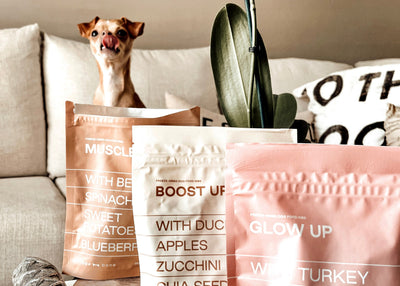
A Few Mealtime Favorites
Because even our pickiest little food critics deserve a beautiful place setting.

Dinner Is Served
Set meal times and stick to them. Put the food down at the appropriate time and walk away. Don’t hover. Don’t coax. Don’t hand feed. Offer and then go into another room. Give your dog 15-30 minutes to start eating in peace. But after time is up, take the food up and don’t offer them anything else.
Then come back later in the day and repeat but with a fresh bowl of food. Especially with wet dog food. It’s important not to re-offer wet dog food as it can spoil quickly in the open air. This can result in some wasted food. But wasted food is better than upset tummies.
Repeating this method helps to train your dog to understand, “Listen buddy. This is the menu. So eat up.”
Trying these tactics has definitely helped me with Dylan’s discerning palate. But I have to admit, I’ve also relented a bit and incorporated food toppers into my dogs’ meals.
Looking for more information on which food toppers I use? Check out my blog post Ciao Chow: Spice Up Your Dog’s Mealtime With Maxbone.